- Enquiry For Sales in IND : +91 99505 08668
Enquiry For Sales in USA : +1 (716) 599-8595 - Request for quote
Blog
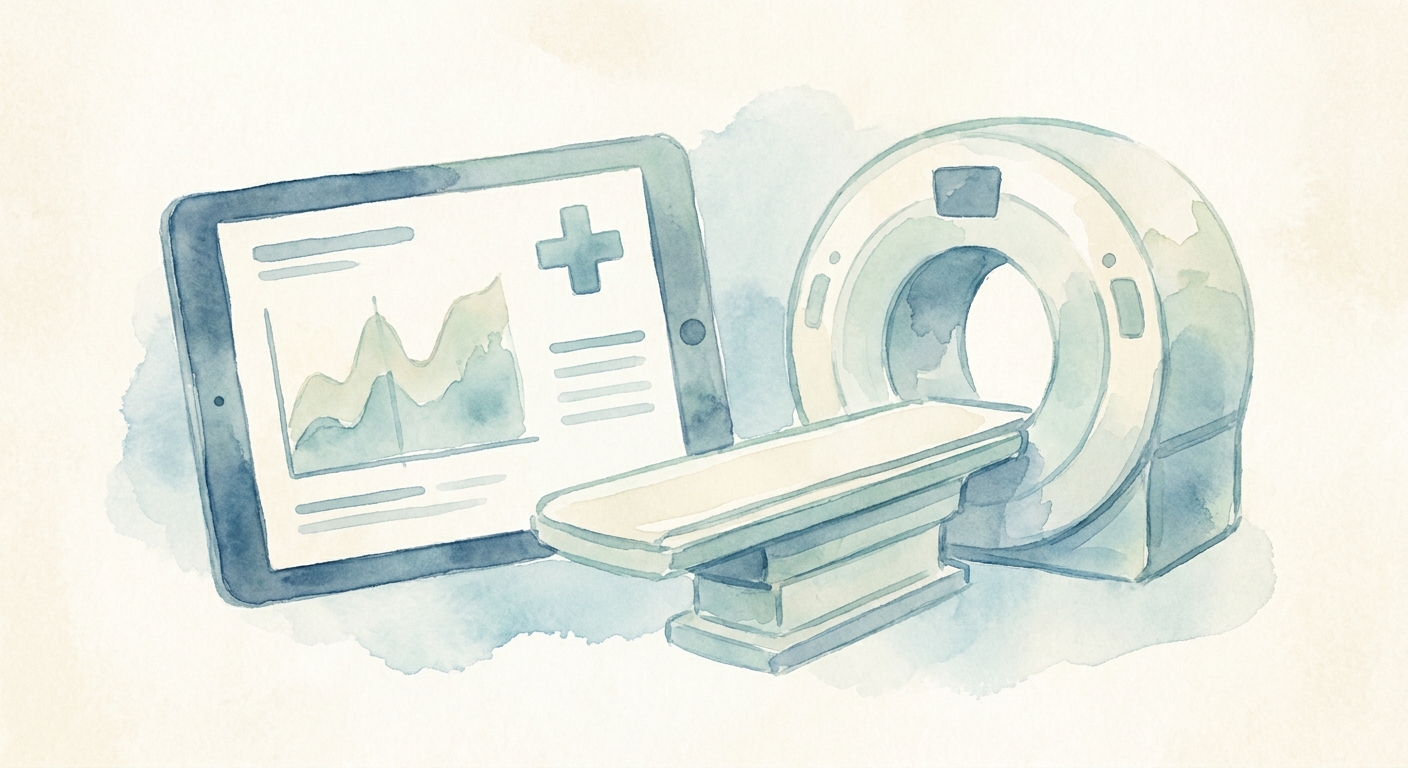
Radiology and imaging centers compete on a different playbook than general hospitals — patients search for a specific scan, not a specific brand, and referral doctors decide half the volume before a patient ever opens Google. This guide breaks down what actually moves bookings for diagnostic and imaging centers in 2026.
A radiology center doesn't sell a product patients browse for fun — they search once, under stress, usually with a prescription in hand. That changes the entire funnel: intent is high, trust is fragile, and the decision window is often under 48 hours. A digital marketing agency for hospitals and clinics in India that treats an imaging center like a retail brand wastes budget on awareness when the real fight is showing up first for "MRI center near me" and closing the referral doctor loop.
Most diagnostic centers in 2026 are still running the same generic hospital marketing playbook they used in 2020 — a static website, occasional Facebook boosts, and no system for turning a Google review into the next booking. That gap is the opportunity.
This guide is built for owners and administrators of single-location diagnostic centers, multi-modality imaging chains (MRI, CT, ultrasound, X-ray under one roof), and hospital-attached radiology departments in India that need patient volume from both walk-in search traffic and referral doctor networks. If you're running a multi-location clinic chain rather than a pure imaging business, the considerations shift — check the dedicated guide for multi-location clinic chains instead.
Patients don't search "best radiology center" — they search "MRI scan near me" or "CT scan cost in [city]." A marketing plan for imaging centers has to be built around these scan-specific, location-specific terms, not generic hospital brand terms. Miss this and you're invisible at the exact moment someone has a prescription and a decision to make.
A large share of scan volume for Indian diagnostic centers still comes through general physicians, orthopedists, and gynecologists sending patients directly. Digital marketing for radiology centers in 2026 has to include a B2B layer — LinkedIn presence, WhatsApp broadcast lists, and email touchpoints aimed at referring doctors, not just consumer channels.
An imaging center's website has one real job beyond information: let a patient book a slot and later download a report without calling the front desk. A site that's just a digital brochure loses bookings to any competitor whose site does both.
Google Ads for radiology centers works when campaigns target the exact scan a patient already knows they need ("knee MRI cost," "chest CT scan booking") rather than broad hospital branding terms. Intent-matched ads convert at a fraction of the cost-per-lead of generic awareness campaigns.
Scan costs and radiation exposure both create hesitation. Google reviews, radiologist credentials on the site, and visible turnaround-time promises reduce that hesitation faster than any ad copy can.
A patient who doesn't hear back within the promised turnaround window starts calling competitors. Automated SMS or WhatsApp alerts when a report is ready — plus a follow-up nudge for repeat scans — keep patients inside your funnel instead of shopping elsewhere.
Google Business Profile and local SEO — the foundation nobody skips. Ranking in the local map pack for "[scan type] near me" queries typically takes 3-6 months of consistent optimization, but it's the channel that keeps generating bookings without ongoing ad spend. Get the fundamentals right with a proper local SEO setup for multi-location clinics. Buy.
Symptom-to-scan Google Ads — the fastest win. Campaigns built around specific scan names and prices start generating bookings within days, not months, once negative keywords are pruned over the first 30 days to cut wasted spend. See how the structure works in this breakdown of Google Ads for hospitals in India. Buy.
Website rebuild for booking and report download — the trust builder. A site that lets patients book a slot and retrieve reports online reduces front-desk call volume and signals a modern, dependable operation. This is a slower build than the two above but compounds every quarter it's live. Consider.
Reputation management on Google reviews — the anxiety killer. Centers that actively request reviews after every visit and respond to negative ones within 24 hours build the 100+ review, 4.5+ star profile that converts hesitant walk-in inquiries faster than any ad. Buy.
Marketing automation for report-ready alerts — the retention play. Automated WhatsApp or SMS triggers the moment a report is ready cut down repeat-call volume and keep patients coming back for follow-up scans instead of switching centers. Worth setting up once the first three channels are stable, not before. Consider.
Get a marketing plan built for imaging centers
Consult on local SEO, Google Ads, and reputation systems tailored to diagnostic volume.
| Channel | Timeline to results | Best for | Verdict |
|---|---|---|---|
| Local SEO / GBP | 3-6 months | Long-term compounding visibility | Buy |
| Google Ads (symptom-to-scan) | Days to weeks | Immediate booking volume | Buy |
| Website rebuild (booking + reports) | 1-3 months | Reducing front-desk friction | Consider |
| Reputation management | Ongoing | Converting hesitant walk-ins | Buy |
| Marketing automation | 2-4 weeks setup | Retention and repeat scans | Consider |
What is the best digital marketing strategy for radiology centers in 2026?
The strongest starting combination in 2026 is local SEO and Google Business Profile optimization paired with symptom-to-scan Google Ads campaigns. Reputation management and referral doctor outreach layer on once the first two channels are producing consistent bookings.
How much should an imaging center budget for digital marketing?
Budgets vary by city and competition, but the split typically favors local SEO and Google Ads over broad social spend for imaging centers. A detailed framework for setting the number is covered in how to create a digital marketing budget for a hospital.
Is Google Ads or SEO better for a diagnostic center?
Google Ads produces bookings within days while local SEO takes 3-6 months to rank but keeps generating leads without ongoing spend. Most radiology centers run both together rather than choosing one over the other.
How long does local SEO take for a radiology center to show results?
Expect 3-6 months to rank in the local map pack for scan-specific searches in a competitive city. Smaller towns with less diagnostic competition can see movement faster.
Should a radiology center run social media ads?
Social ads work better for education and reputation-building than direct scan bookings, since patients rarely search for imaging services while scrolling social feeds. Prioritize Google Ads and local SEO first, then layer social media for trust-building content.
How do referral doctors find imaging centers online?
Referring doctors typically rely on LinkedIn presence, WhatsApp broadcast updates, and direct outreach rather than Google search. A digital marketing plan for radiology centers has to include this B2B channel separately from patient-facing SEO and ads.
What role do online reviews play in radiology center marketing?
Reviews directly reduce patient hesitation around scan cost and safety, and centers with 100+ reviews and a 4.5-star average convert walk-in inquiries faster. Responding to negative reviews within 24 hours protects that average.
Does a radiology center need marketing automation?
Automation for report-ready alerts and follow-up reminders keeps patients from switching centers mid-cycle, making it worth setting up once core acquisition channels are stable. It’s a retention layer, not a starting point.
Most imaging centers in 2026 still spend the majority of their digital budget chasing consumer search traffic while ignoring the referral doctor channel that drives the largest share of their actual scan volume. A structured LinkedIn and WhatsApp outreach cadence to local GPs, run consistently for 90 days, frequently outperforms consumer Google Ads in cost-per-booking for the specialties that refer the most scans.